Skip to content
New Activity School New Activity School Grant Road - Since 1953
Enquire

Observation Over Grades

Young children should be observed, not ranked.

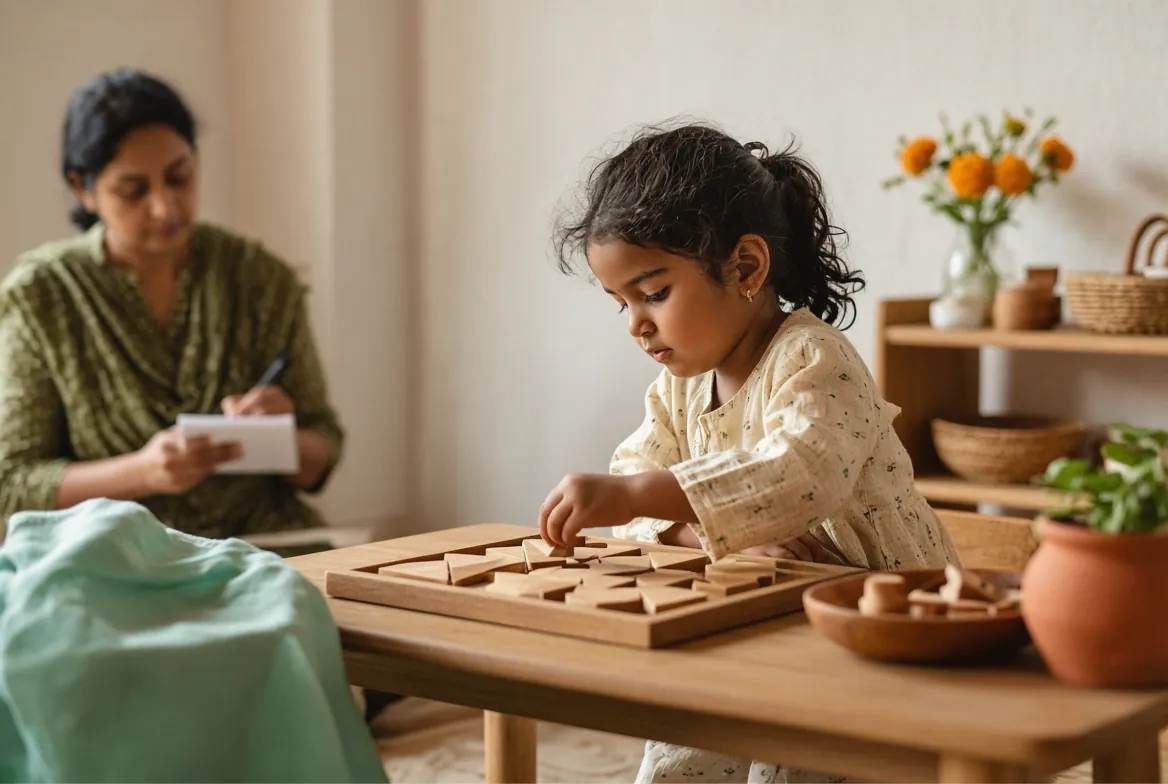
Under six, assessment should help the child. NAS uses real classroom evidence: play, conversation, work samples, routines, photos, teacher notes and parent dialogue.
Observe Document Reflect Plan Share
NAS children learning through guided play and activity
At NAS, parent guidance stays connected to what children actually experience.

Plain Answer

What parents need to know.

Observation-based assessment is formative, authentic and kind. It helps teachers plan and parents understand growth without tests or labels.

Assessment should benefit the child.

The point is not to sort children. It is to understand what each child is ready for next.

Real moments are better evidence.

Play, conversation, drawing, movement, peer repair and routines tell teachers more than a one-time test.

Portfolios make growth visible.

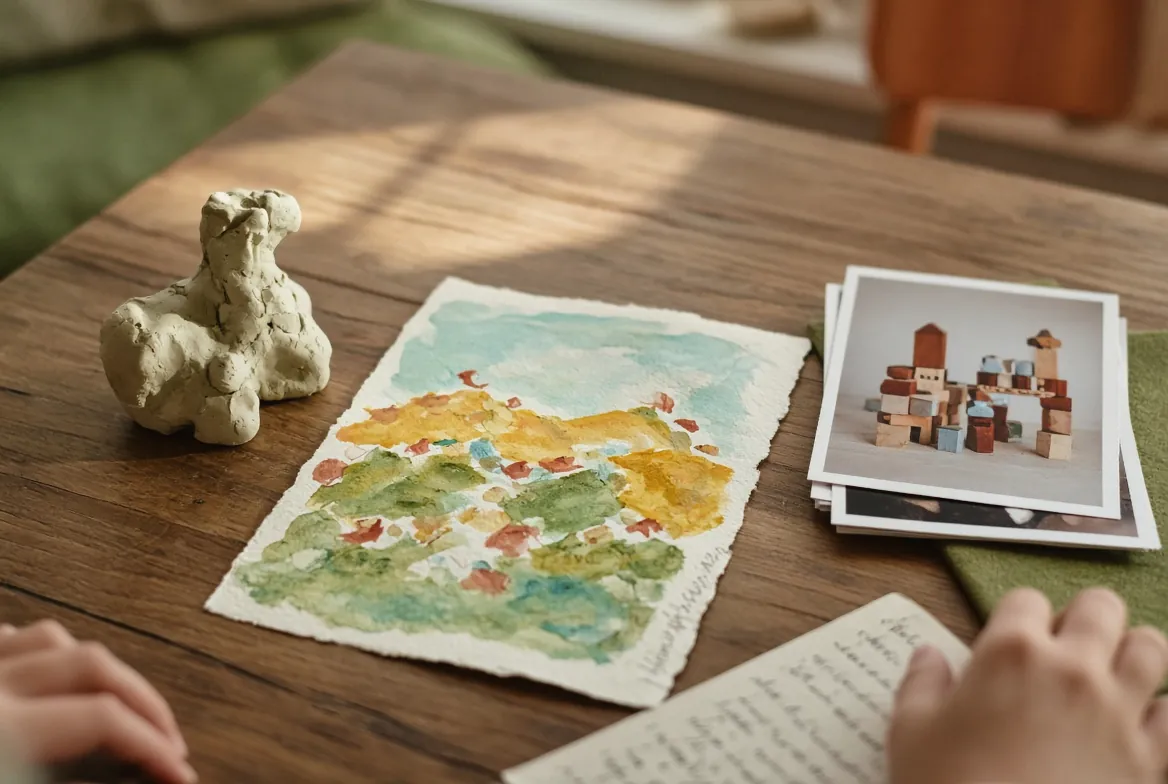
Photos, work samples, child words and teacher notes help parents see progress without comparison.

Make It Visible

How this shows up in real life.

Parents usually need fewer abstract terms and more things they can actually notice.

At NAS

Growth Over Grades means teachers observe, document, moderate and communicate in plain language.

At home

Notice effort, new words, independence, kindness, problem-solving and confidence rather than only correct answers.

Watch for

More sustained play, clearer explanations, better transitions, stronger marks, richer stories and thoughtful questions.

Ask "what did you notice?"

This question tells you more about thinking than "what did you get right?"

Save process, not only product.

A scribble, block plan or funny story can show real development.

Avoid comparing children.

Children grow unevenly. Comparison often hides the next helpful step.

Parent FAQ

Answers you can come back to.

Short answers help families compare advice, ask better questions and see what NAS means in practice.

Young children develop unevenly and context matters. Observation helps teachers support growth without pressure or labelling.

Teachers watch play, language, movement, routines, relationships, work samples and readiness over time.

It should describe strengths, growth, next steps and helpful home-school support in clear language, not only marks.

WA