Skip to content
New Activity School New Activity School Grant Road - Since 1953
Enquire

Inclusion and Early Support

Support early, without labelling early.

Some children need extra time, language, sensory support, movement, routine or specialist guidance. The goal is to notice warmly and act early without reducing a child to a label.

Notice Adapt Partner Support Refer
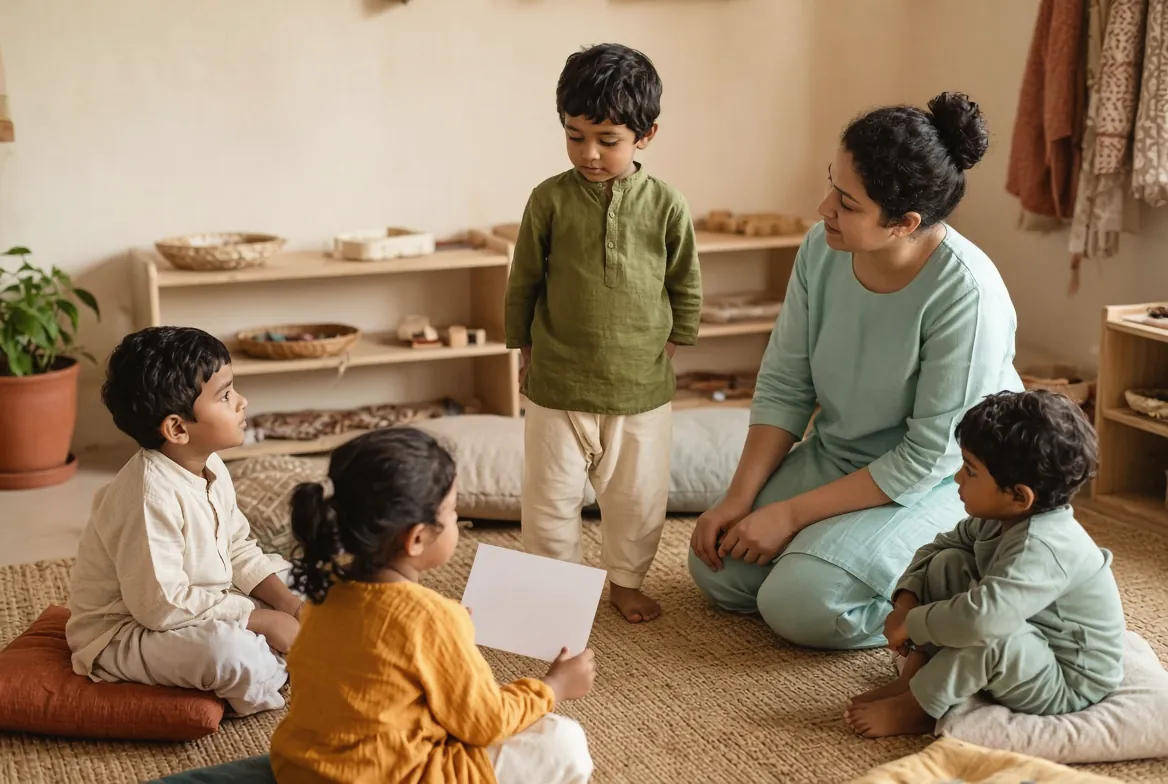
NAS children learning through guided play and activity
At NAS, parent guidance stays connected to what children actually experience.

Plain Answer

What parents need to know.

Inclusive early-years practice combines strong teaching for all children, careful observation, family-centred conversations and graduated support when needed.

Inclusion starts with the ordinary room.

Visual routines, movement breaks, clear language, sensory options and warm adults help many children, not only children with identified needs.

Monitoring is not diagnosis.

Teachers can notice patterns and start a family conversation, but diagnosis belongs with qualified professionals.

Early support is kind.

Waiting too long can make difficulties heavier. Acting early can protect confidence, communication and belonging.

Make It Visible

How this shows up in real life.

Parents usually need fewer abstract terms and more things they can actually notice.

At NAS

Teachers use observation, routine support, family conversations and referrals when needed, while keeping the child included in classroom life.

At home

Share what you notice without fear: sleep, speech, sensory reactions, friendships, movement, play, eating or transitions.

Watch for

Changes across time and settings, not one difficult day. Patterns deserve attention; labels should not be rushed.

Describe the moment.

Say what happened, when, how often and what helped. That is more useful than a label.

Use visual routines.

Pictures or simple steps can make transitions easier for many children.

Keep dignity central.

Children should not hear adults discussing them as a problem.

Parent FAQ

Answers you can come back to.

Short answers help families compare advice, ask better questions and see what NAS means in practice.

No. A preschool can observe patterns, support the child, speak with families and suggest professional guidance when needed.

Good inclusive practice usually improves the classroom for everyone because routines, language, visuals and calm support help all children.

Ask when a concern repeats across time or settings, especially with communication, movement, sensory distress, social connection or daily routines.

WA