
Teachers
The adults who make play purposeful.
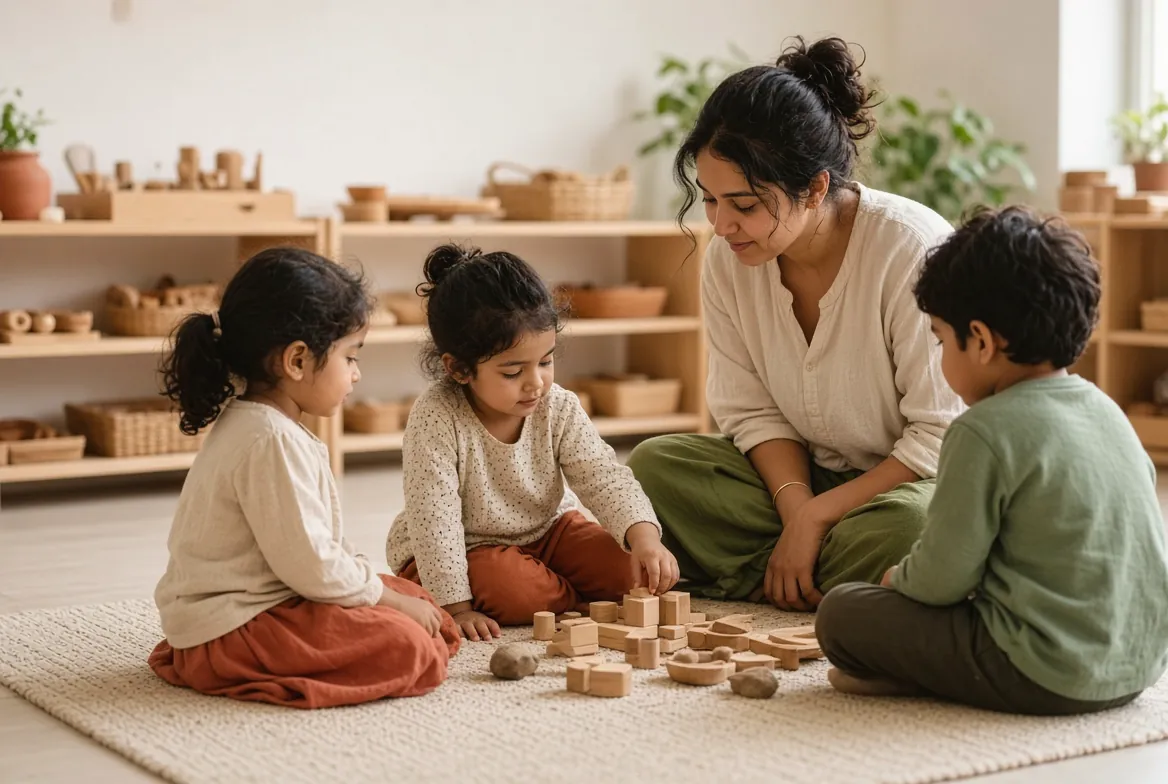
In the early years, the teacher is not only a person who explains. The teacher prepares the room, watches carefully, adds language, protects rhythm and helps a child feel known.
Observation-led
Predictable routines
Guided play
Parent partnership
 Illustrative image
Teacher Practice
The teacher turns play into learning.
See what teachers do inside ordinary play: observe, name, extend and hold the rhythm.
Observe
Watch firstTeachers notice the child before choosing how to help.
Name
Add wordsActions, feelings, patterns and ideas are given language.
Extend
Next stepA material, question or pause carries the child forward.
Rhythm
Hold the roomTransitions and routines are handled calmly.
Teacher Practice
The quiet work behind a calm classroom.
Parents often see songs, stories, art and movement. Underneath those moments, teachers are watching for readiness, confidence, language, self-regulation and social comfort.
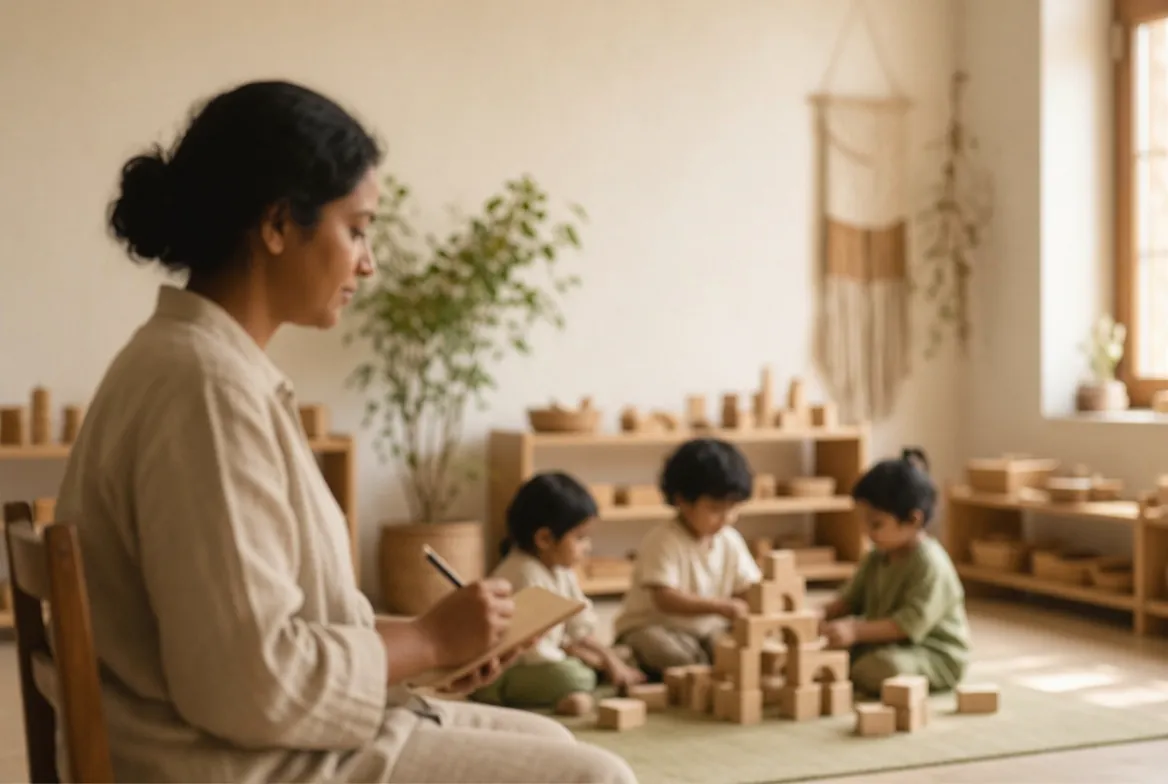
Observe before directing.
Teachers first notice what the child is trying to do, then decide whether to wait, name, support or extend.
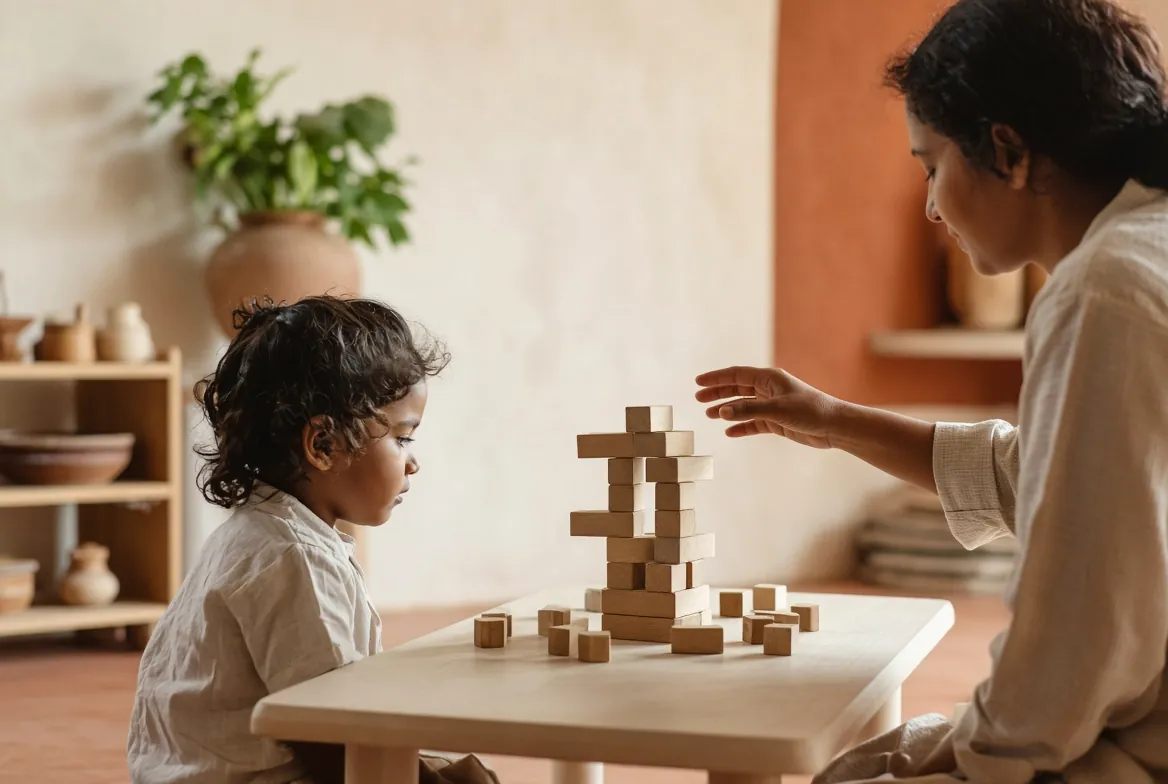
Add language at the right moment.
A teacher gives words to actions, feelings, patterns and ideas so children can think more clearly.
Keep the rhythm human.
Transitions, routines, meals, movement and rest are unhurried because regulation is part of learning.
 Illustrative image
 Illustrative image
 Illustrative image
Next Step
Meet the school through a conversation.
Ask about the classroom rhythm, teacher approach and how NAS understands your child's stage.
Start an enquiry