Skip to content
New Activity School New Activity School Grant Road - Since 1953
Enquire

Movement, Sleep and Screens

Bodies need rhythm before brains can focus.

Movement, outdoor play, sensory experience, fine-motor work, sleep and screen-wise routines make attention and learning easier for young children.
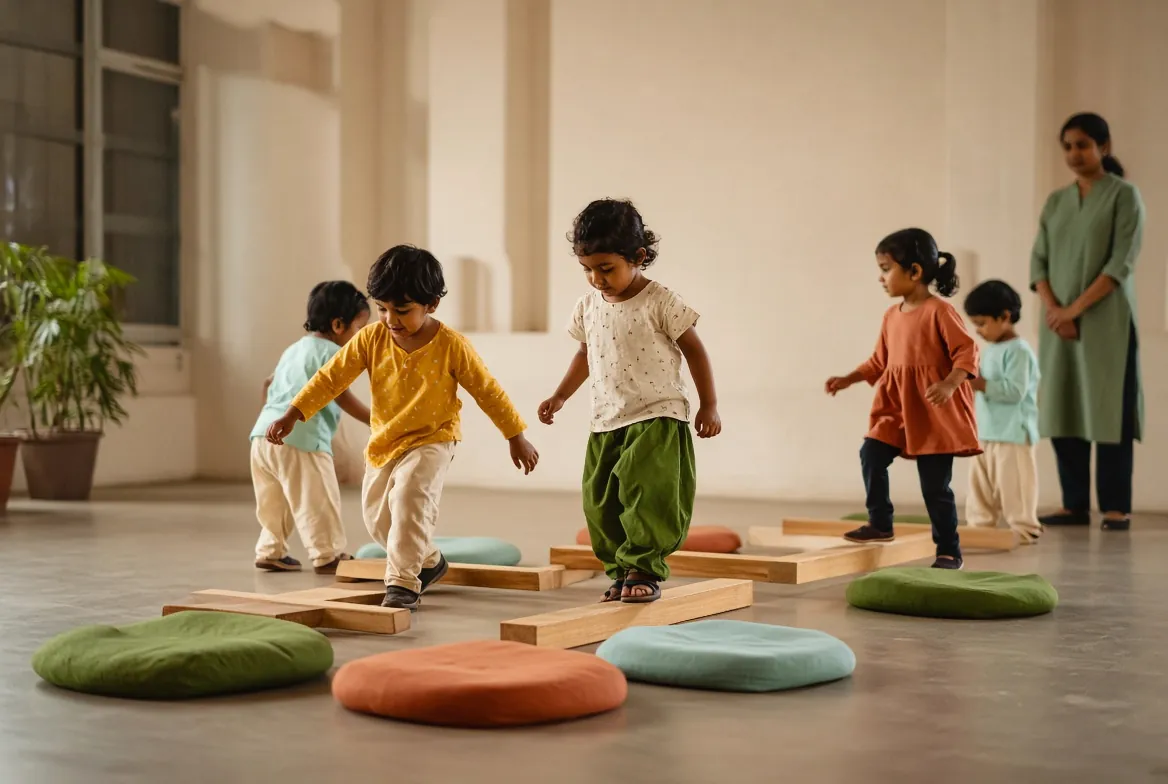
Outdoor play Fine motor Sleep rhythm Low screens Sensory play
NAS children learning through guided play and activity
At NAS, parent guidance stays connected to what children actually experience.

Plain Answer

What parents need to know.

Healthy routines for young children include abundant movement, outdoor play, sensory exploration, fine-motor practice, consistent sleep and limited sedentary screen time.

Movement is not extra.

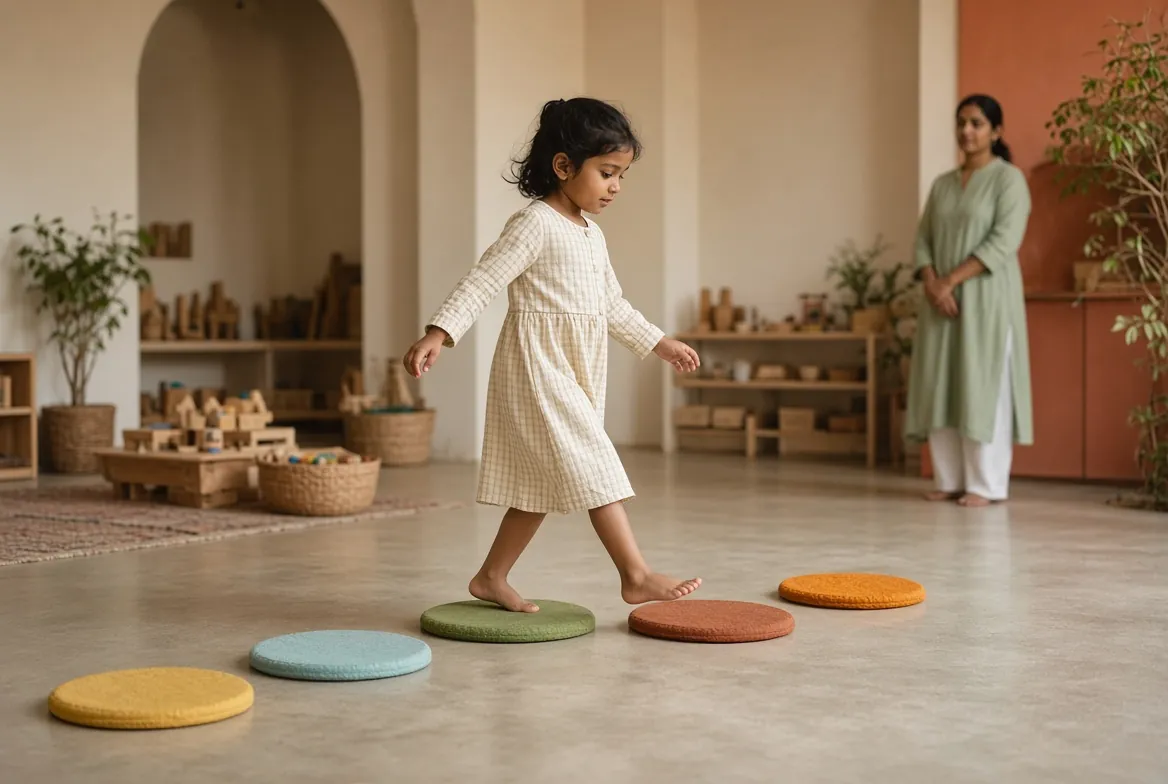
Climbing, running, balancing, dancing and carrying help children build body awareness, confidence, regulation and attention.

Fine motor grows through play.

Clay, threading, tongs, pouring, tearing, drawing and practical life prepare hands for later writing.

Screens need boundaries.

Young children learn best through people, movement and real materials. Public health guidance asks families to keep sedentary screen time very low.

Make It Visible

How this shows up in real life.

Parents usually need fewer abstract terms and more things they can actually notice.

At NAS

Movement, music, practical life, outdoor play, sensory materials and screen-free classroom experiences are part of the design.

At home

Protect sleep, add outdoor time, offer real-life hand work and keep screens away from meals, bedtime and emotional regulation.

Watch for

Better balance, stronger hands, calmer transitions, more stamina and easier participation in group routines.

Move before sitting.

A child who has moved well often listens better than a child asked to sit for too long.

Make bedtime boring and kind.

Predictable, low-stimulation evenings help sleep do its developmental work.

Use screens deliberately.

Choose short, co-viewed, age-fit content when needed. Avoid using screens as the main calming tool.

Parent FAQ

Answers you can come back to.

Short answers help families compare advice, ask better questions and see what NAS means in practice.

Young children need abundant movement across the day. WHO guidance for ages 3 to 4 uses 180 minutes of activity as a public health benchmark, including energetic play.

Sleep supports attention, memory, mood, growth and regulation. A tired child often looks less ready than they really are.

No. NAS is screen-wise, not screen-heavy. Children learn through people, movement, stories, play and materials; technology supports adults behind the scenes when useful.

WA